
On Talking Terms With Dogs - Calming Signals
On Talking Terms With Dogs - Calming Signals
Couldn't load pickup availability
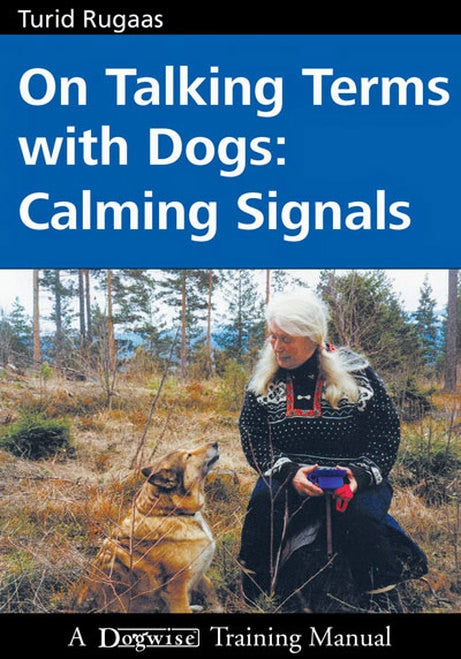
Understanding your dog starts with learning how they communicate. On Talking Terms With Dogs: Calming Signals by Norwegian dog trainer and behaviourist Turid Rugaas is one of the most influential books on canine behaviour in the world — and one of the most accessible. In under 80 pages, it gives everyday dog owners a completely new lens through which to see their dog.
Dogs are constantly communicating — through yawning, lip licking, sniffing the ground, turning away, slowing their pace, and more than 30 other subtle signals. These are calming signals: the language dogs use to avoid conflict, express discomfort, invite play, and seek peace. Most owners miss them entirely. This book teaches you to see them.
What you will learn
Turid Rugaas coined the term "calming signals" after years of careful observation and video study of dog behaviour. In this book she shares:
- How to identify over 30 calming signals in everyday dog behaviour
- What these signals mean — and what your dog is trying to tell you
- How to recognise stress, fear, and discomfort before they escalate
- How to use your own body language to communicate calmly with your dog
- How to rehabilitate a dog that has lost the ability to read or give calming signals
- How to become a more observant and responsive dog owner
The 2nd edition features full-colour photographs with captions — a significant improvement over the line drawings of the first edition — making signals much easier to identify in real life.
About the author
Turid Rugaas is an internationally recognised Norwegian dog trainer and behaviourist who has studied canine social behaviour for over 30 years. She runs Hagan Hundeskole, her dog training school in Norway, and has lectured and presented at conferences and seminars across the world.
She coined the phrase "calming signals" and is widely credited with transforming how dog owners and trainers understand canine body language. On Talking Terms With Dogs is her most celebrated work and has been translated into multiple languages.
Who is this book for?
This book is for any dog owner who wants a deeper, more respectful relationship with their dog. It is particularly valuable for:
- New puppy owners building communication from the start
- Owners of reactive, anxious, or fearful dogs
- Multi-dog households where dog-to-dog communication matters
- Anyone pursuing positive reinforcement or force-free training
- Dog trainers, behaviourists, and shelter workers
- Anyone who feels their dog is "hard to read"
Frequently Asked Questions
Is this book suitable for beginners?
Yes — it is written for everyday dog owners, not specialists. The language is clear and accessible, and the full-colour photographs make the concepts easy to understand without prior knowledge of dog behaviour.
How long does it take to read?
At 78 pages, most readers finish it in one or two sittings. It is the kind of book you are likely to return to and reread as you observe your dog more closely over time.
Is this relevant to all breeds?
Yes. Calming signals are universal across dog breeds — from toy breeds to large working dogs. The signals described apply to all dogs regardless of breed, age, or background.
Will this help with a reactive dog?
Many owners of reactive dogs find this book transformative — understanding what triggers stress and how their dog signals discomfort is often the first step toward managing reactivity more effectively. It is not a training manual, but it provides the foundation for more informed, empathetic handling.
